Where does EG Car Rentals provide service in Equatorial Guinea?
We provide car rentals, airport transfers, DMC support, and corporate transport in Malabo, Bata, Bioko Island, and key routes across Equatorial Guinea.

Loading 0%
We provide car rentals, airport transfers, DMC support, and corporate transport in Malabo, Bata, Bioko Island, and key routes across Equatorial Guinea.
Yes. Chauffeur-driven rentals are available for business travelers, visitors, delegations, and clients who prefer local driving support in Malabo, Bata, and other cities.
For routes outside the city, we recommend a 4x4 SUV such as a Toyota Land Cruiser, Hilux, Pajero, or Fortuner, especially for rural roads, rain, mountain access, and remote tourism destinations.
Yes. We arrange pickup and drop-off at Malabo International Airport (SSG), transfers in Bata, and direct transport to hotels, offices, events, or tourism destinations.
Trusted by industry leaders and certified by international standards organizations
Quality management system certified to international standards
Government-approved operations with comprehensive insurance coverage
Verified member of international tourism and travel organizations
We collaborate with leading organizations to deliver exceptional services
Years of Partnerships
Global Partner
Client Satisfaction
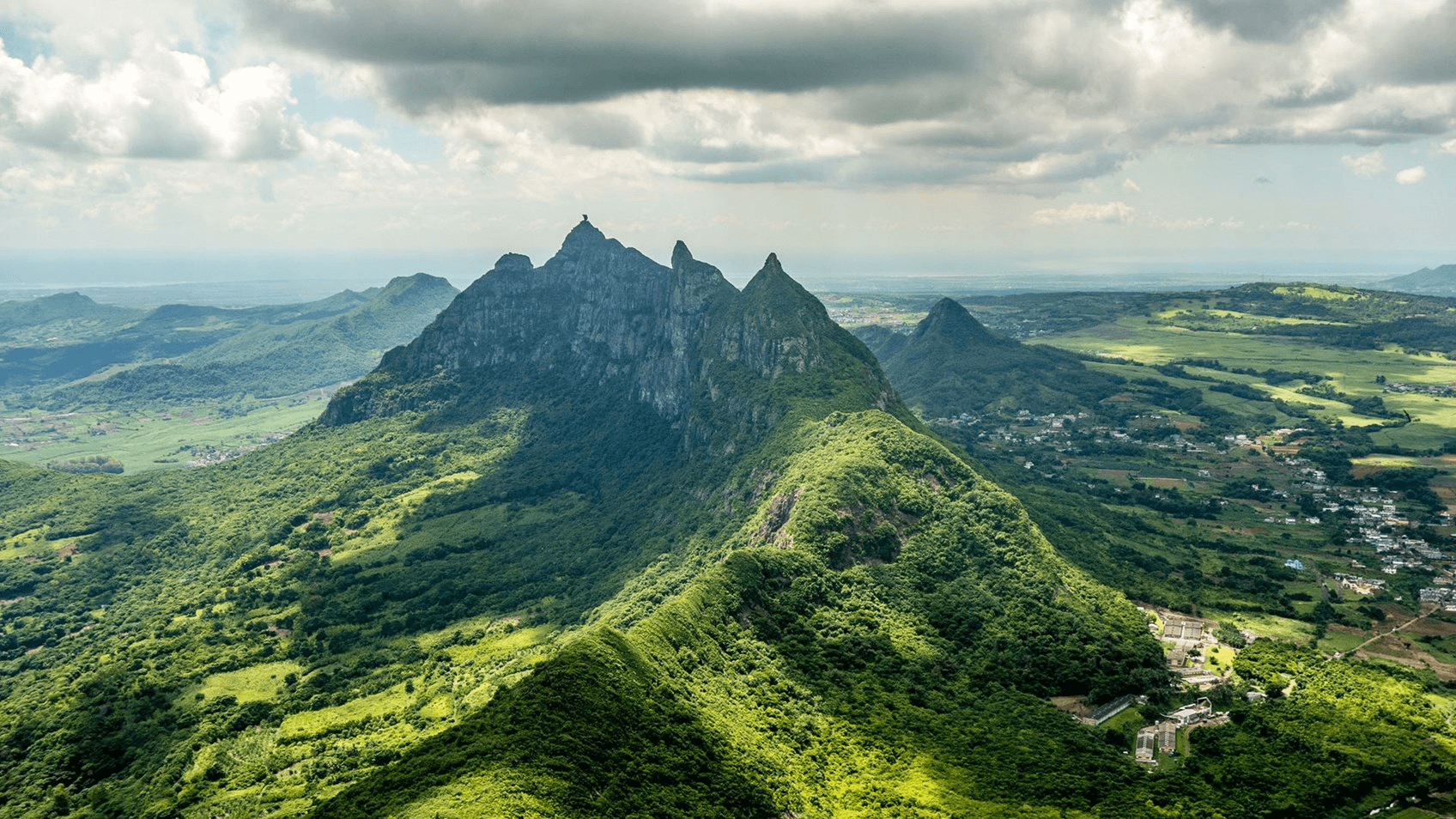
Escape to the serene Moka Valley, a hidden gem on Bioko Island's southwestern slopes known for its misty hillsides, fertile volcanic soil, and excellent coffee. This walk takes you through verdant valleys where local farmers grow coffee under the shade of banana trees and avocado palms. Visit a traditional coffee finca, see the bean-to-cup process, taste fresh locally roasted coffee, and enjoy a farm-to-table lunch in one of the most beautiful rural settings on Bioko.
Year-round. Harvest season (July–December) offers the most active experience at the plantation.
Hotel pickup in Malabo at 7:30 AM.
Depart Malabo at 7:30 AM and drive 1 hour to the Moka Valley trailhead. The morning hike follows gentle trails through lush farmland, passing coffee plots intercropped with plantains, avocados, and citrus trees. Your guide will explain the traditional farming system and identify medicinal plants along the way. Arrive at a family-run coffee finca where you'll tour the plantation, see the traditional wet-processing method, and witness coffee beans being sun-dried and roasted. Participate in a tasting session — sample light, medium, and dark roasts. Enjoy a farmhouse lunch prepared by the family using ingredients grown on the farm. After lunch, take an optional 30-minute walk to a viewpoint overlooking the valley with Pico Basile in the distance. Return to Malabo by late afternoon with a bag of fresh coffee as a souvenir.
The Toyota Corolla is the ideal choice for this type of experience in Equatorial Guinea.

Toyota Corolla
5 seats · automatic transmission
Click to send your inquiry directly to our tour team

Discover Equatorial Guinea's rich cacao heritage on this immersive full-day tour of a working plantation on Bioko Island. Walk through centuries-old cacao groves, learn traditional fermentation and drying techniques, and taste freshly made chocolate in its purest form. Once a world-leading cacao producer, Equatorial Guinea's chocolate tradition is being revived — and you'll experience it firsthand from bean to bar.

Immerse yourself in the vibrant cultural festivals of Equatorial Guinea. From the colorful Bubi New Year celebrations (Echebi) to the Fang Abira cleansing ceremony and the festive Corpus Christi processions in Malabo, our Cultural Festival Experience connects you with authentic community celebrations throughout the year. You'll participate in traditional ceremonies, taste festival-specific cuisine, and witness performances that have been passed down through generations.
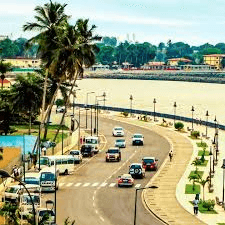
Discover the fascinating history and vibrant culture of Malabo, Equatorial Guinea's capital city on Bioko Island. This half-day walking tour takes you through the colonial heart of the city, past 19th-century Spanish colonial architecture, the iconic cathedral, and the bustling Central Market. Your guide will bring the city's history to life — from its origins as a British settlement to its Spanish colonial period and modern-day revival as the capital of a Central African oil nation.